
Cakes
In the baking world, mastering a cake is the ultimate benchmark of structural and technical skill. In this dedicated section, we share our favorite homemade cake recipes from scratch, focusing on the precision and step-by-step logic that guarantee consistent success. We have developed and refined these formulas to ensure that every sponge has the structural integrity required to hold multiple filling layers while maintaining a moist, tender crumb that melts in your mouth.
We know that assembling and decorating a cake can feel overwhelming if you are a beginner, but we are here to show you that it all comes down to understanding the physics of baking. You don’t need to be a professional pastry chef to achieve clean finishes and balanced flavors; you just need to follow clear instructions and respect baking and cooling guidelines. From everyday vanilla sponges to elegant celebration layer cakes, every recipe is structured to be straightforward and effective.
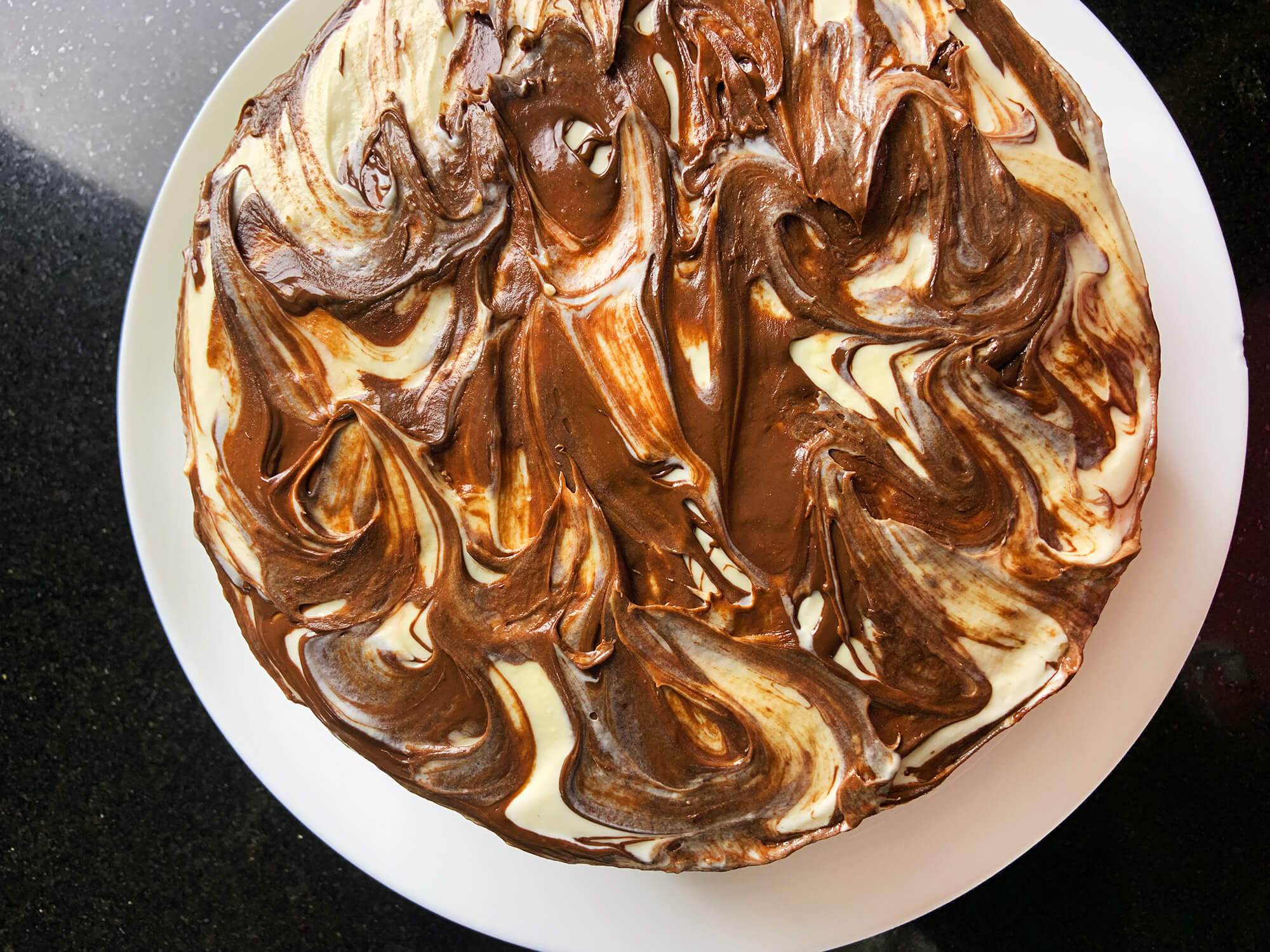
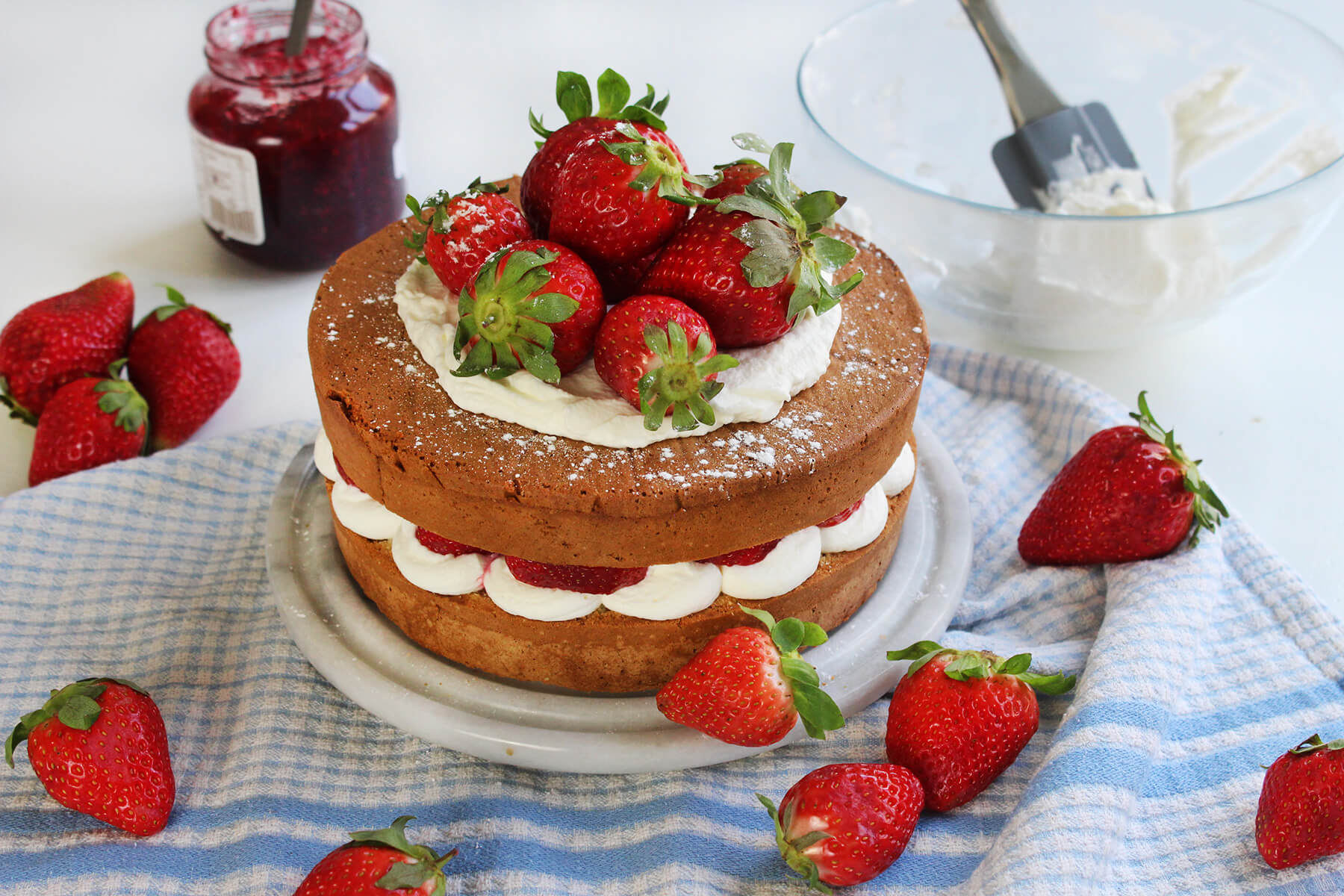

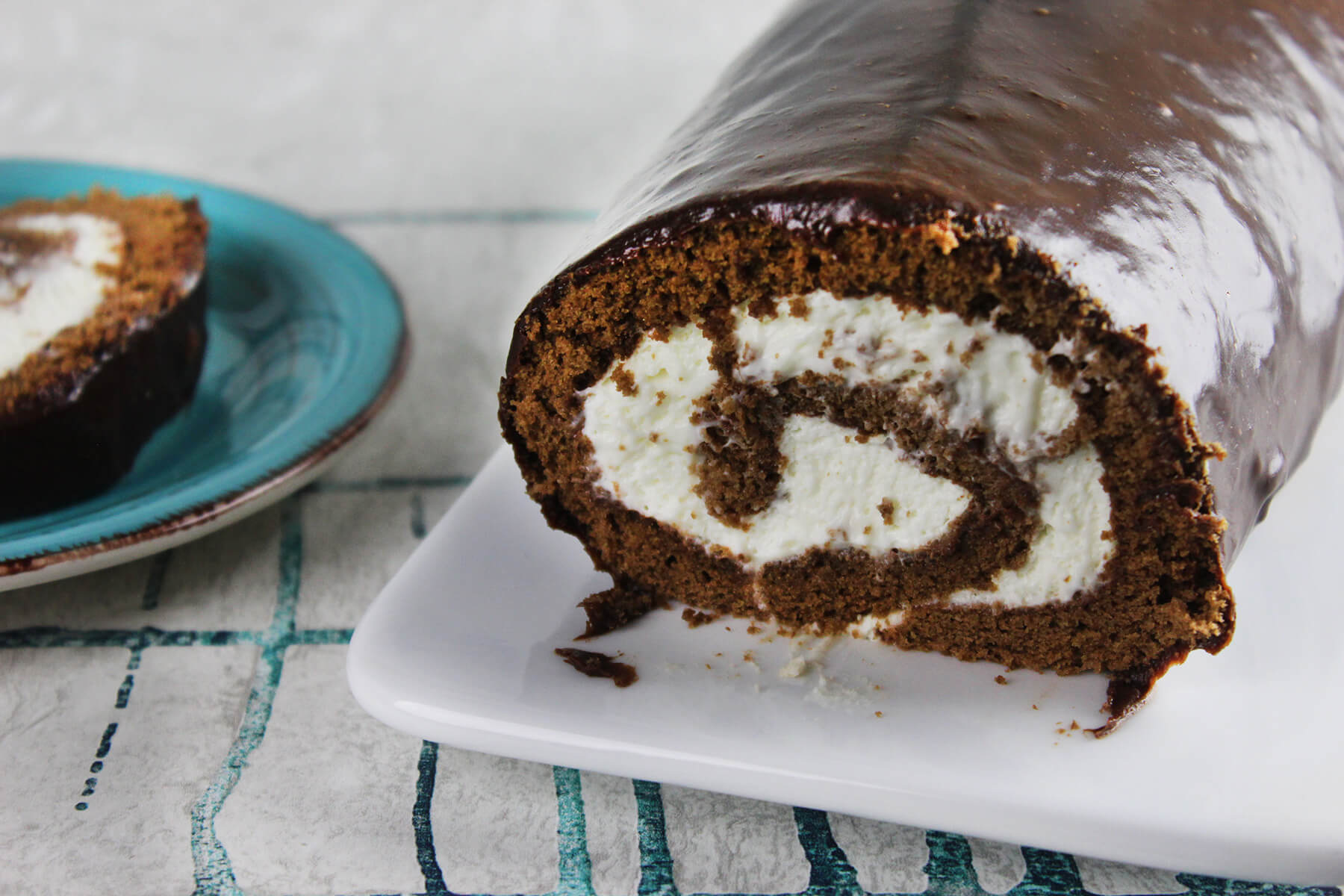
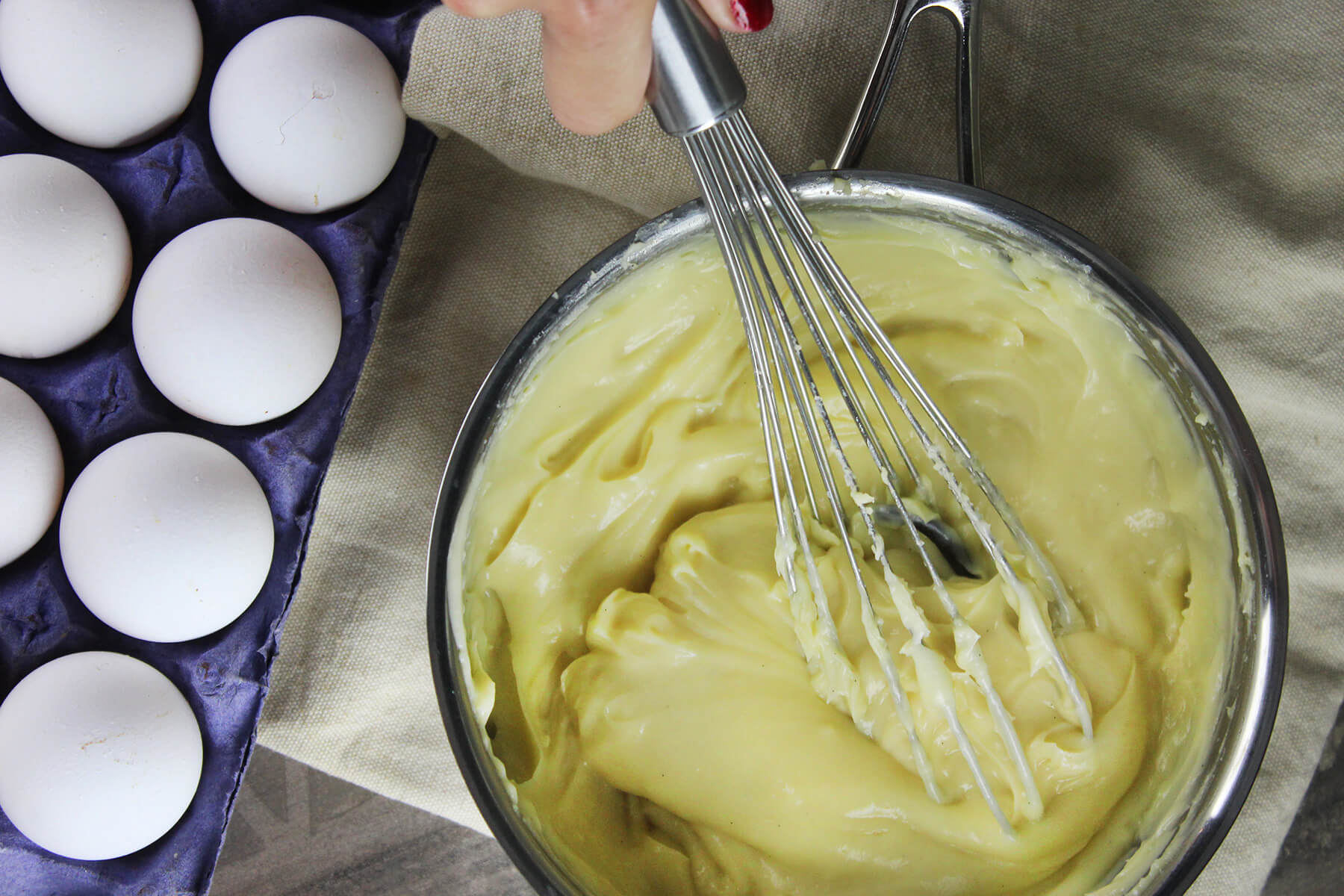
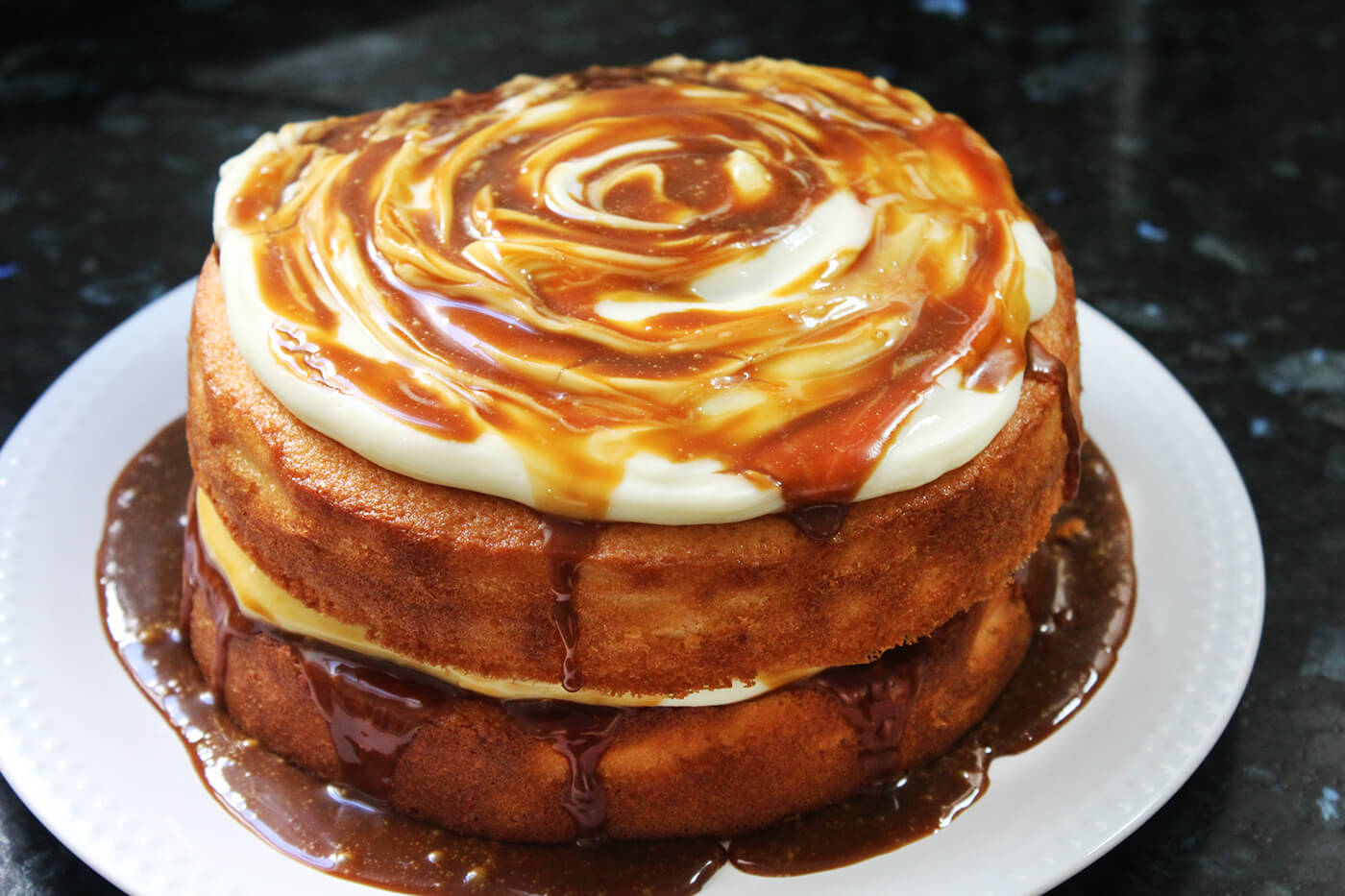
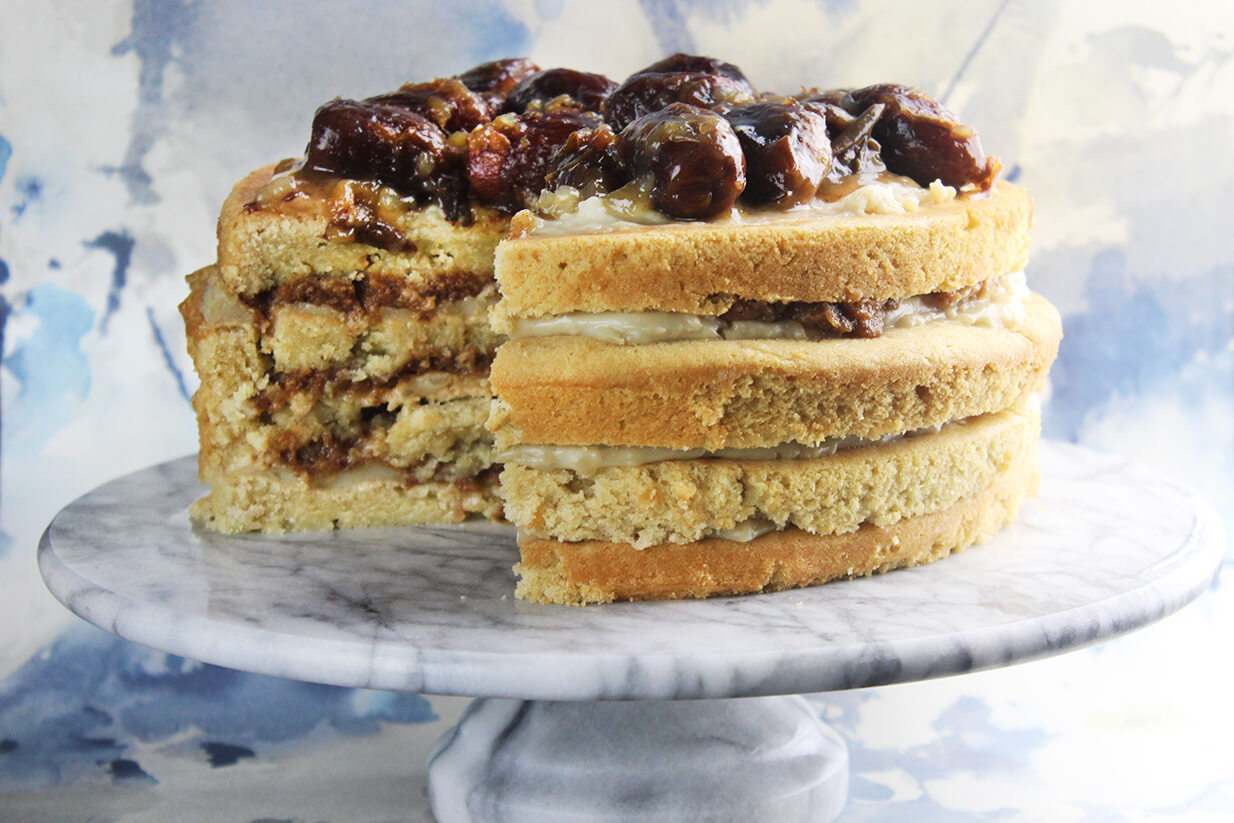
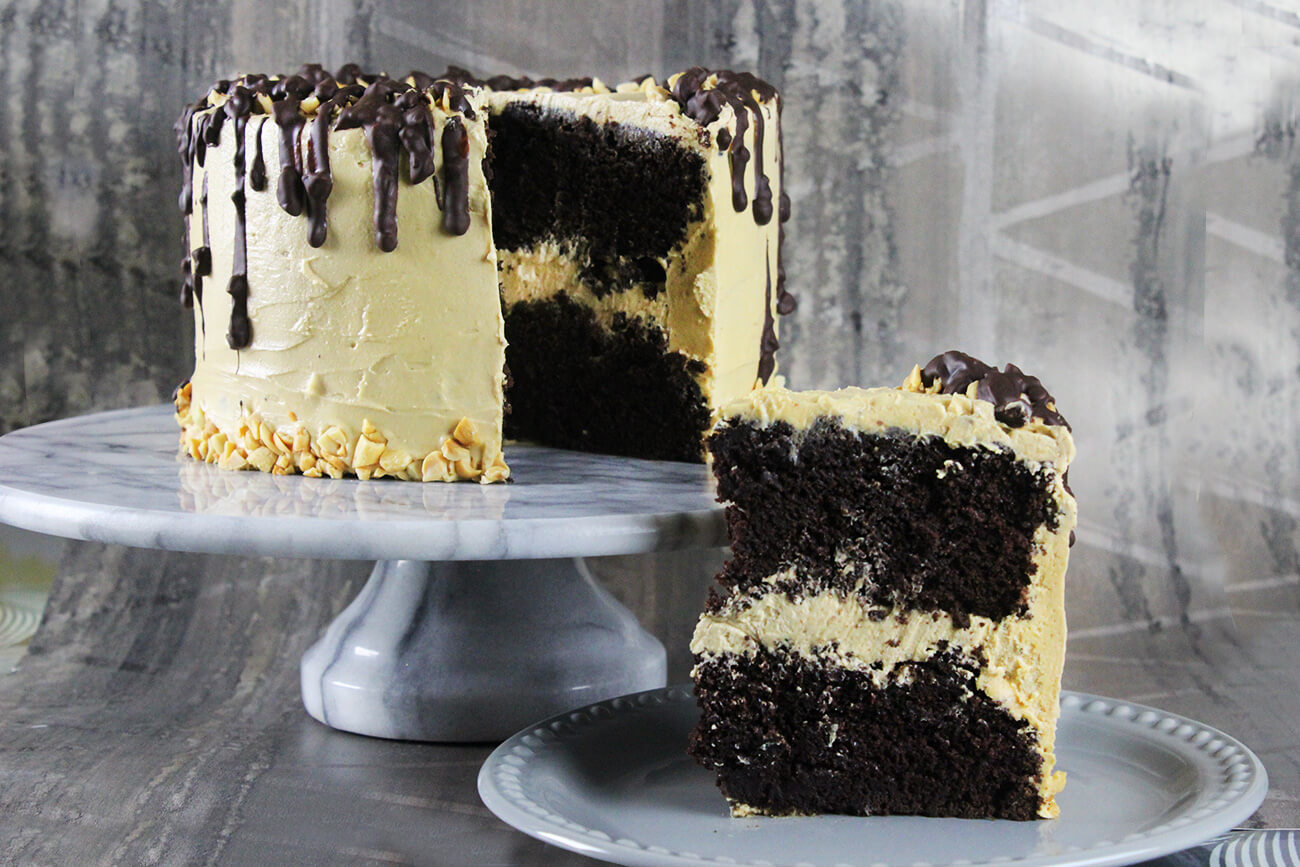
Sponge Varieties: Light Leavening vs. Sturdy Layers
To get the perfect outcome, you must select the right base based on your goals. In our guides, we break down recipes by their technical composition. On one hand, we work with foam-style sponge cakes, which rely on the air trapped during egg whipping; they are light and highly absorbent, making them the ideal vehicle for a traditional tres leches cake or syrup-soaked desserts.
On the other hand, layer cakes require a sturdier foundation built on butter or oil bases. These cakes are denser, retain moisture exceptionally well over days, and provide the strength needed to hold heavy fillings, compotes, or rich cream toppings like buttercream and ganache. Both styles have their place, and we provide the exact steps to help you master them.
Our Best Secrets for Bakery-Quality Cakes
To avoid the most common pitfalls when baking and assembling, we suggest keeping these three golden rules in mind:
- Cooling is Non-Negotiable: Never attempt to slice or frost a warm cake. The residual heat weakens the structural integrity and will melt your frosting. Let it cool completely on a wire rack, and ideally, wrap it in plastic and chill it for a few hours before handling.
- Level Your Sponges: An unstable cake is often the result of uneven layers. Use a long serrated knife to slice off the domed top that forms during baking. This ensures that the weight distributes evenly across all tiers.
- The Crumb Coat: Before applying your final decoration, spread a very thin layer of frosting over the entire cake and chill it for 15 minutes. This step locks in loose crumbs and guarantees a clean, smooth exterior.
We invite you to explore these recipes, let go of your fears regarding decoration, and gain the technical control needed to create spectacular desserts from scratch. Let’s get baking!