
Savory Breads
In our kitchen, there is a special magic in the smell of toasted flour and a crackling crust. To us, baking bread is a grounding ritual; with just four humble ingredients—flour, water, salt, and yeast—it is possible to create a feast. Homemade savory bread recipes are the foundation of a great meal, from dinner rolls for a holiday table to herb-crusted focaccia or a loaf of sourdough. This section is an invitation to get your hands messy and fill your home with the comforting aroma of real bread.
We know that savory baking can feel intimidating. Many think that without a professional brick oven or a decades-old starter, it isn’t worth the effort. However, once you learn the basic rhythm of the dough, it is actually quite simple. We’ve spent years revisiting these recipes and simplifying the steps so that anyone can pull a golden, crusty loaf out of their own oven. There is no reason not to experience the joy of breaking bread made with your own hands.

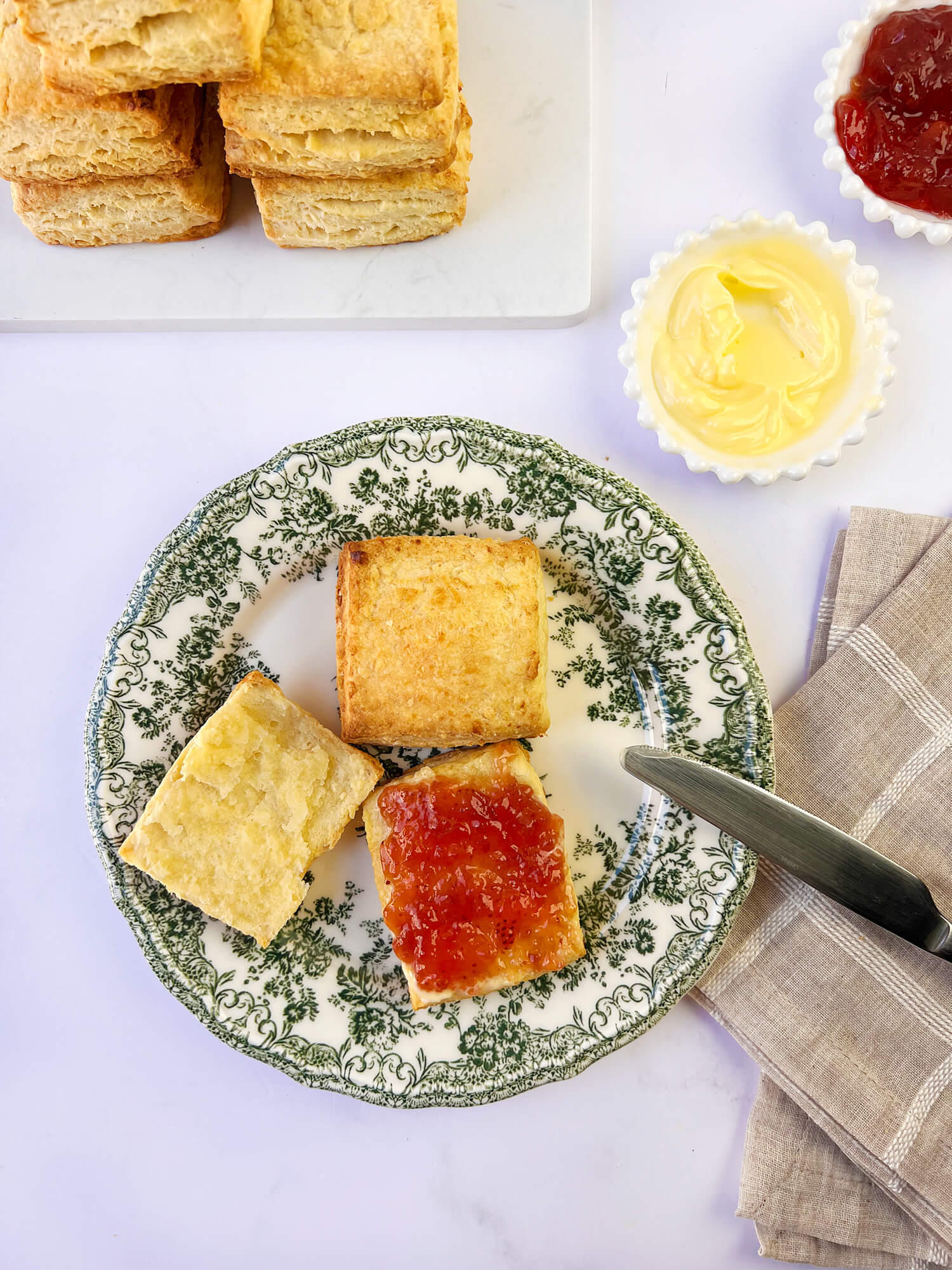
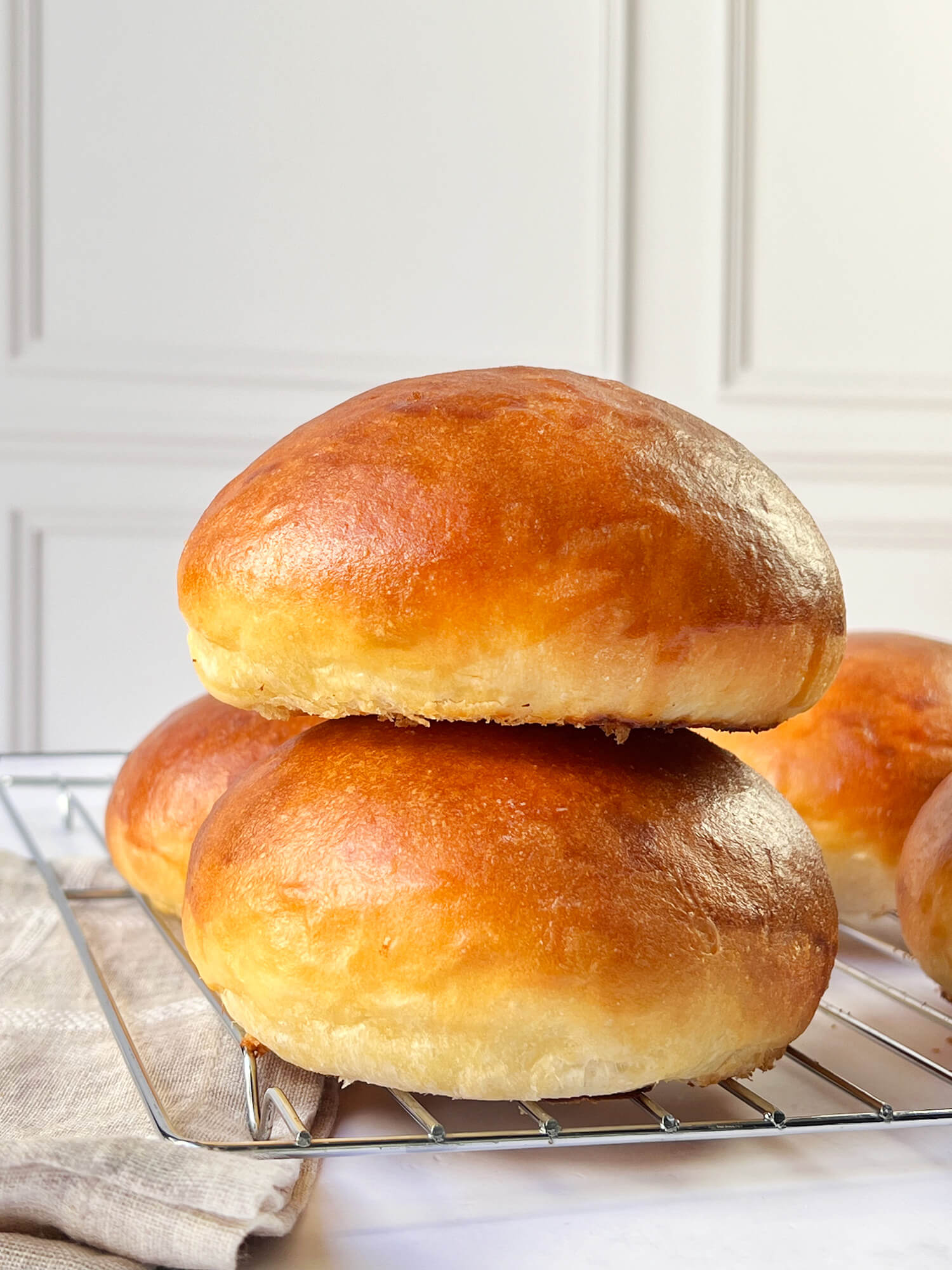
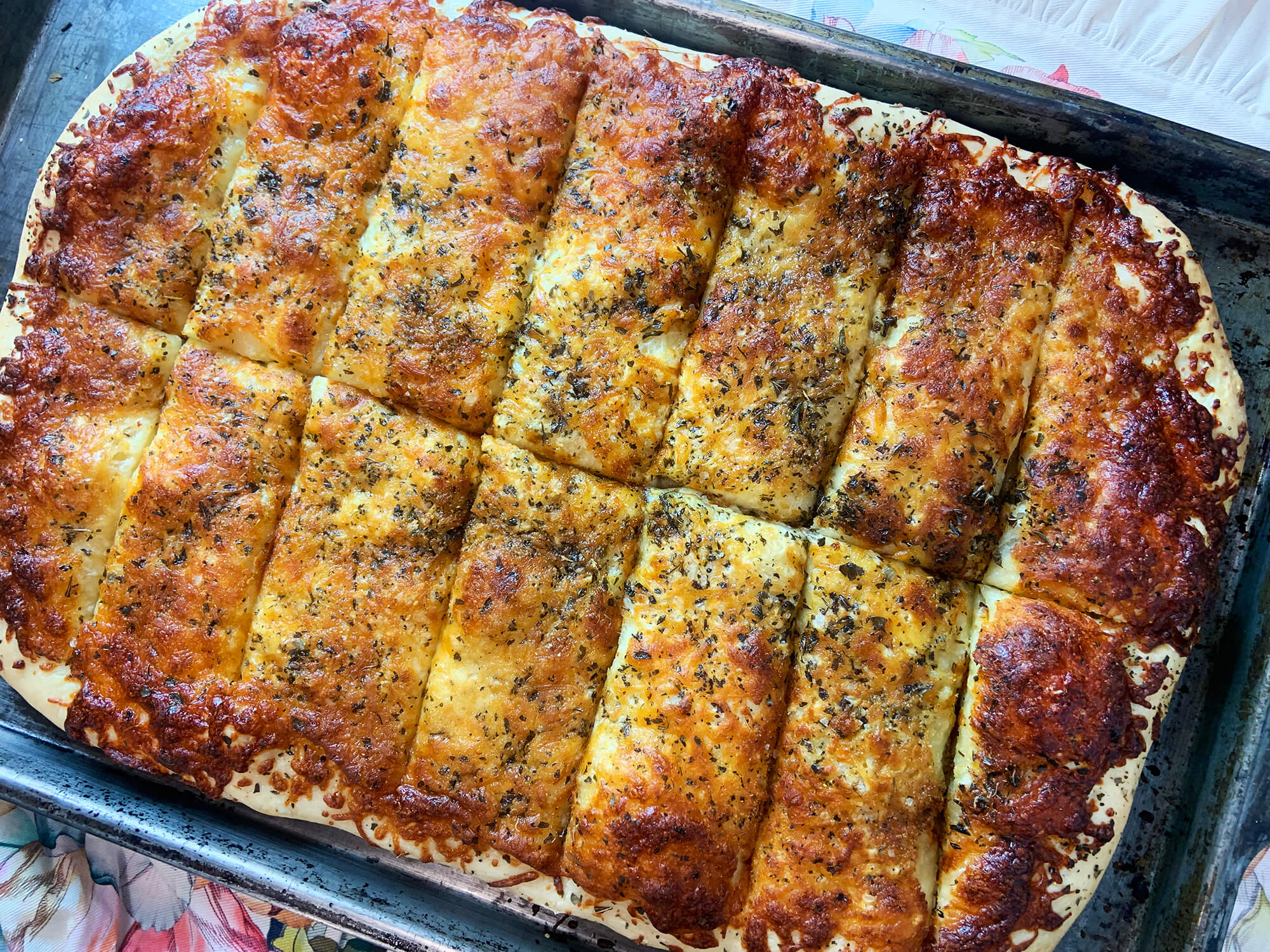
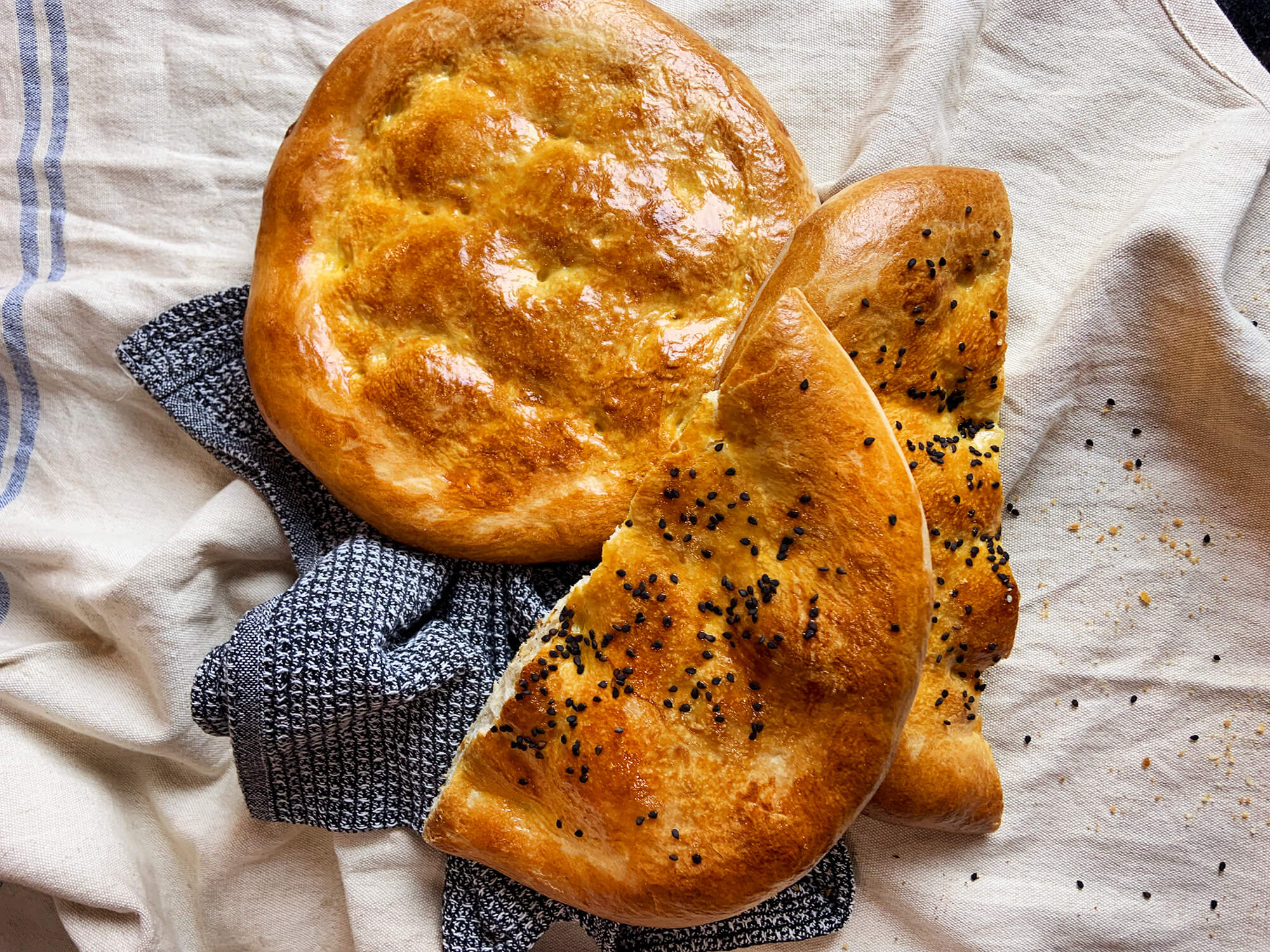


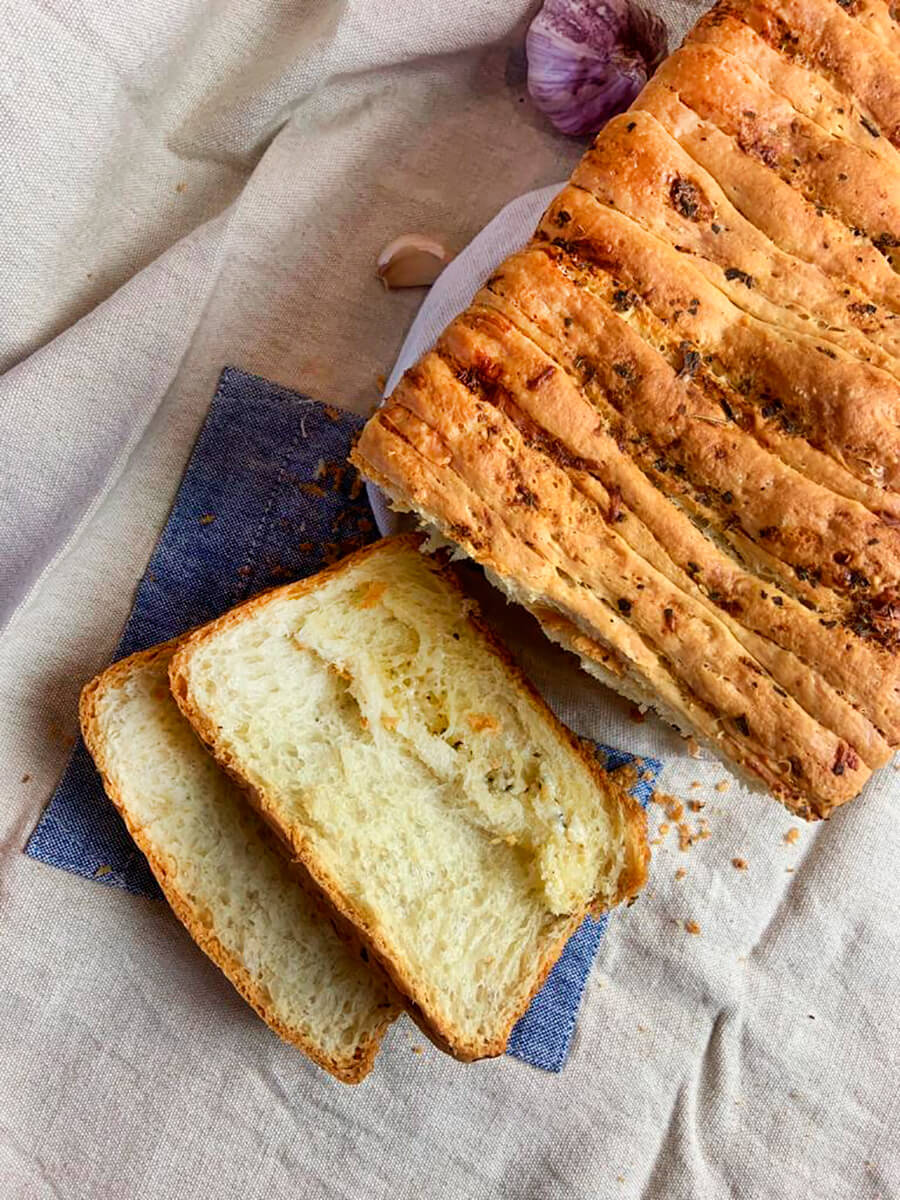
Artisan Loaves vs. Soft Rolls: A World of Texture
In the world of savory breads, texture is king. On one hand, we have crusty, artisan-style breads that rely on high hydration and steam to develop a deep, toasted exterior and a chewy interior. These are perfect for dipping into soups or olive oil. On the other hand, we have soft, enriched breads like brioche buns or classic sandwich loaves, where the goal is a tender crumb that stays fresh. Both have a permanent place in our kitchen, and here we show you how to master the techniques for both styles.
Our Best Secrets for the Perfect Homemade Loaf
Baking bread is a living process that requires observing and feeling the dough. Here are our top pro-tips for savory success:
- Salt and Yeast Etiquette: Never let them touch directly in the mixing bowl. Salt can inhibit the yeast before it’s mixed with the flour. Give them each their own corner to ensure a perfect rise.
- The Power of Steam: To get a professional, bakery-style crust, place a shallow pan of water at the bottom of your oven while it preheats. The steam allows the bread to expand fully and creates a beautiful, crispy skin.
- Patience in Cooling: We know the smell of fresh bread is irresistible, but do not cut into it while it is piping hot. The bread continues to set its internal structure as it cools. If you cut it too soon, the crumb can become gummy. Give it at least 20 to 30 minutes.
There is nothing quite like a warm slice of homemade bread with butter and a pinch of sea salt. We invite you to let go of your fears, feel the flour between your fingers, and enjoy the satisfaction of a kitchen that smells of fresh bread. Happy baking!