
Pound Cakes
The pound cake is a foundational element of home baking, celebrated for its rich butter flavor and dense, satisfying structure. In this section, we feature our definitive homemade pound cake recipes, specifically designed to teach you how to achieve a tight, tender, and moist crumb. We have tested and refined these formulas to guarantee that whether you are baking a traditional vanilla loaf or a marble pound cake, you get a beautiful rise and balanced texture without running the risk of a dry finish.
The success of a great loaf cake relies entirely on the proper execution of the initial mixing stages and precise oven control. If you are developing your baking skills, this category provides an excellent entry point into understanding how to emulsion fats and liquids correctly. We provide clear, practical guides focused on technique, ensuring that each step is straightforward and easy to execute using standard loaf pans.

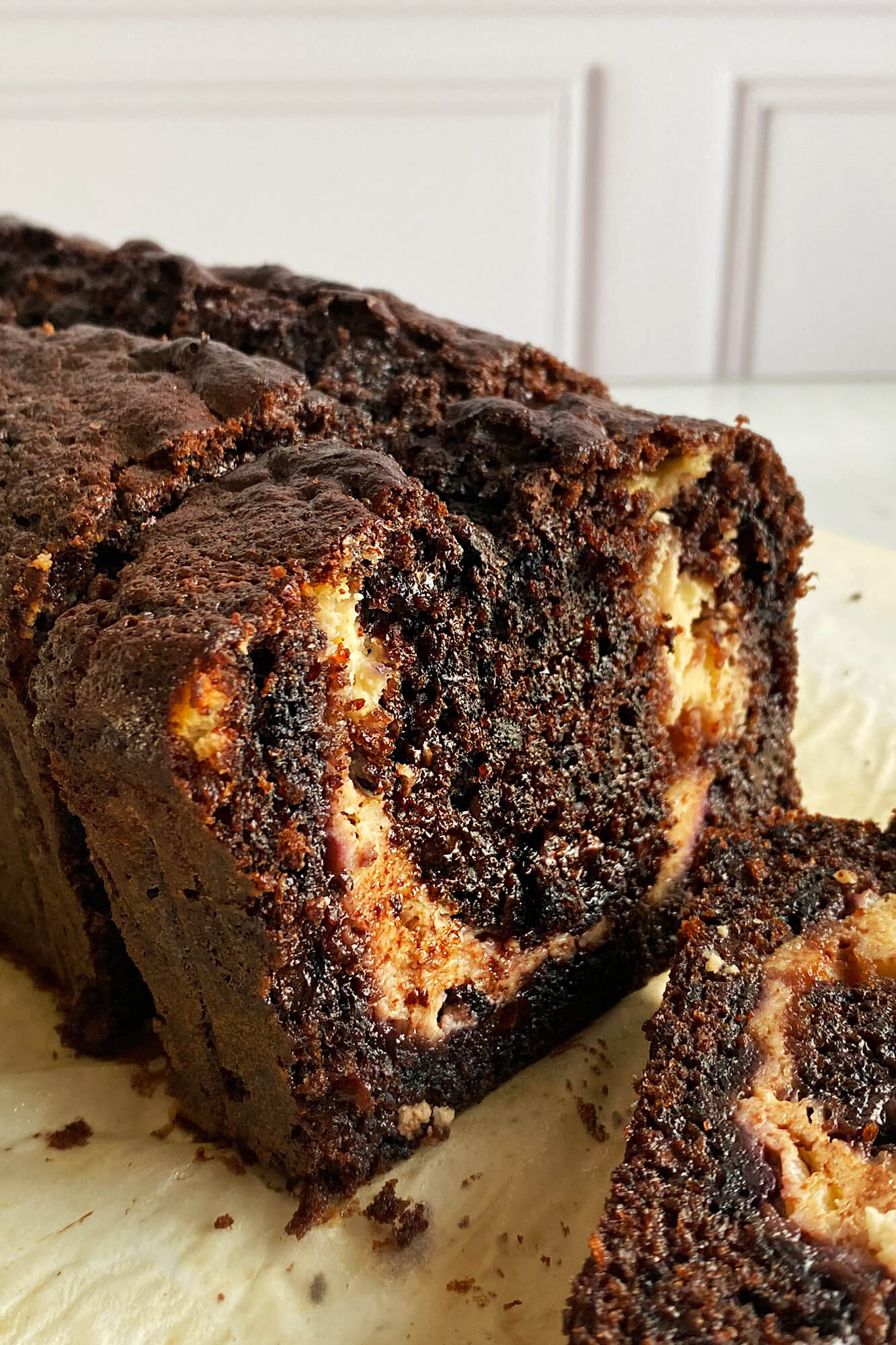
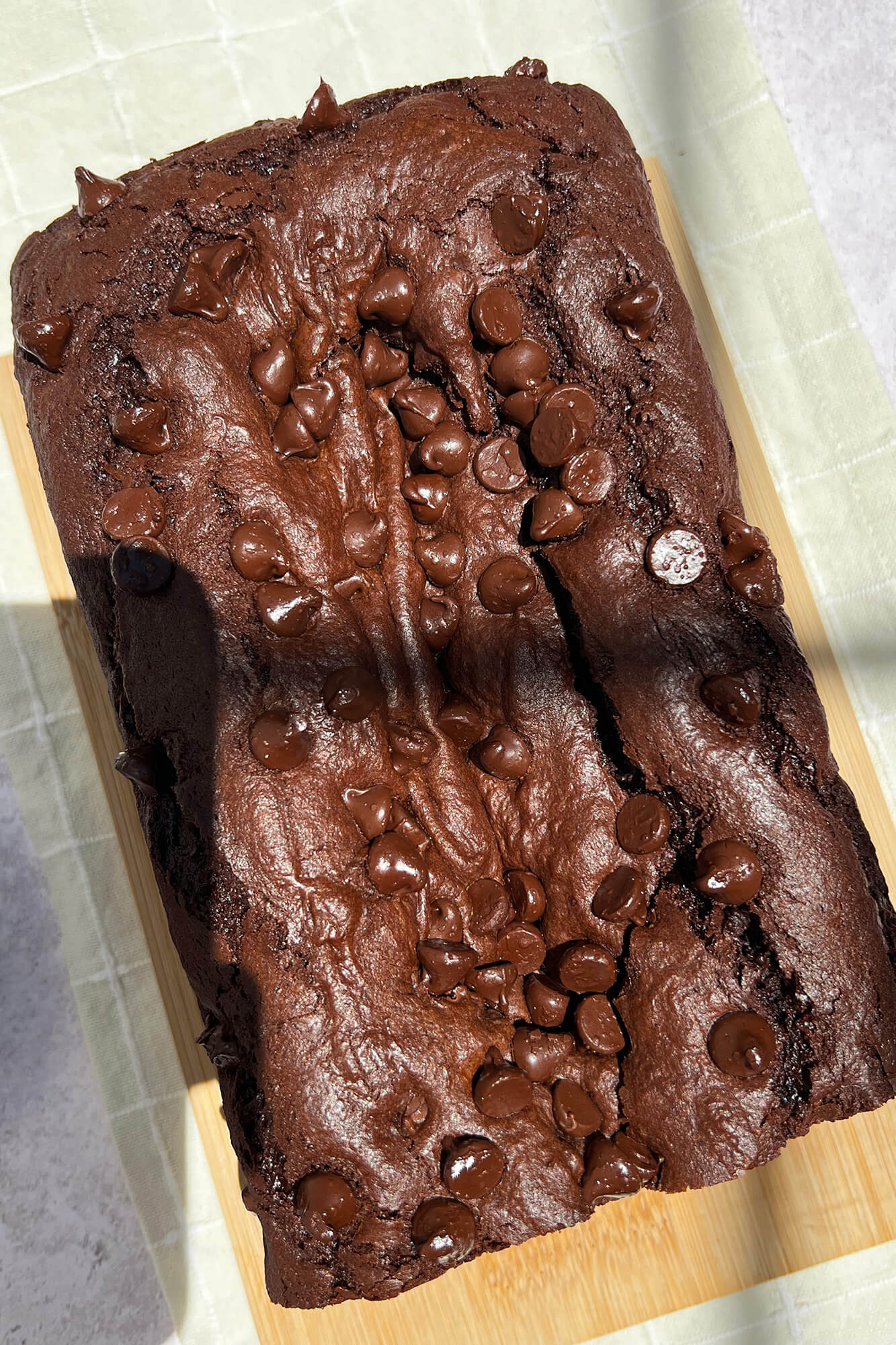
Purple carrot bread with chocolate and cheesecake
This purple carrot bread with chocolate and cheesecake is a…
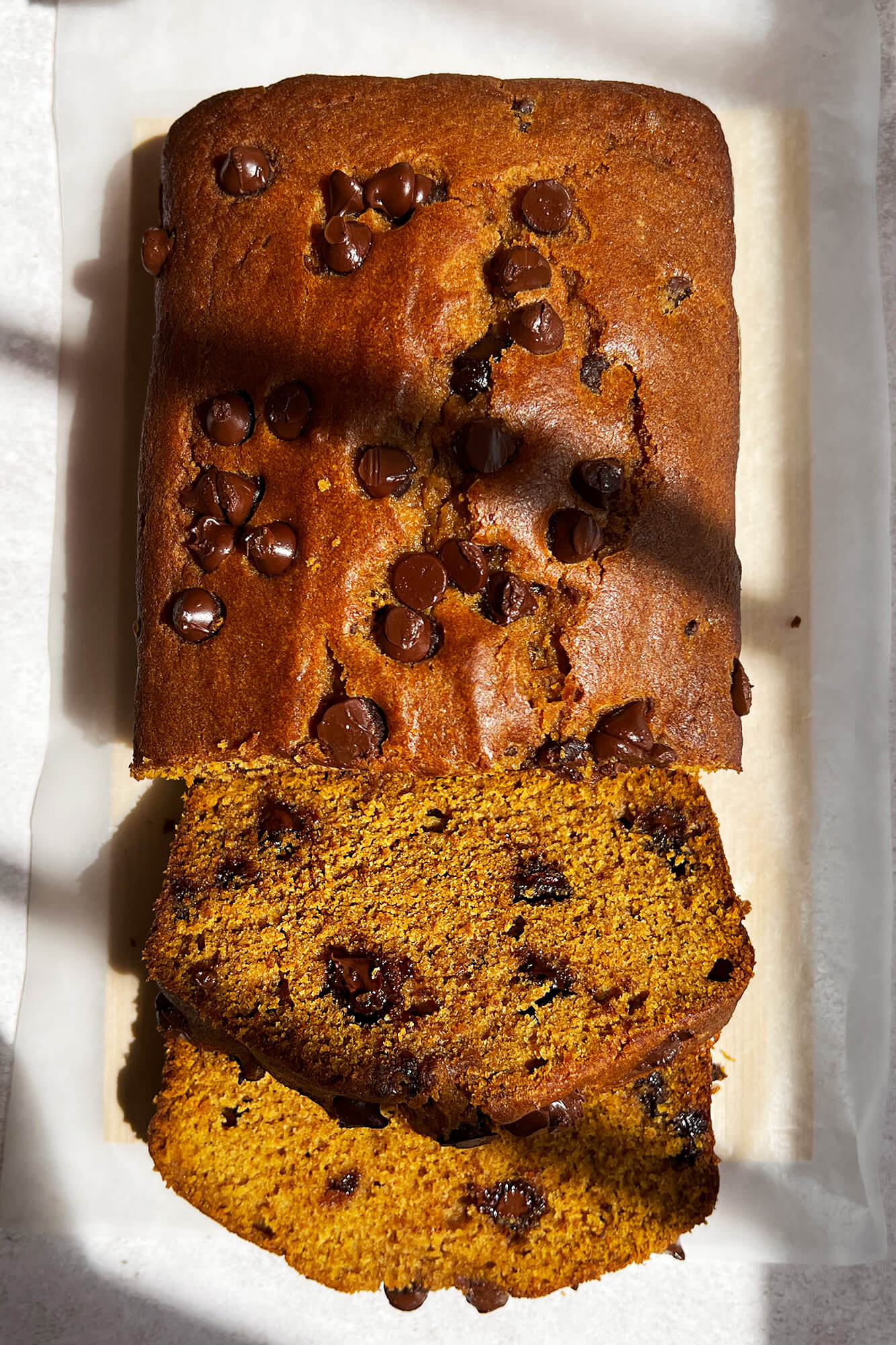
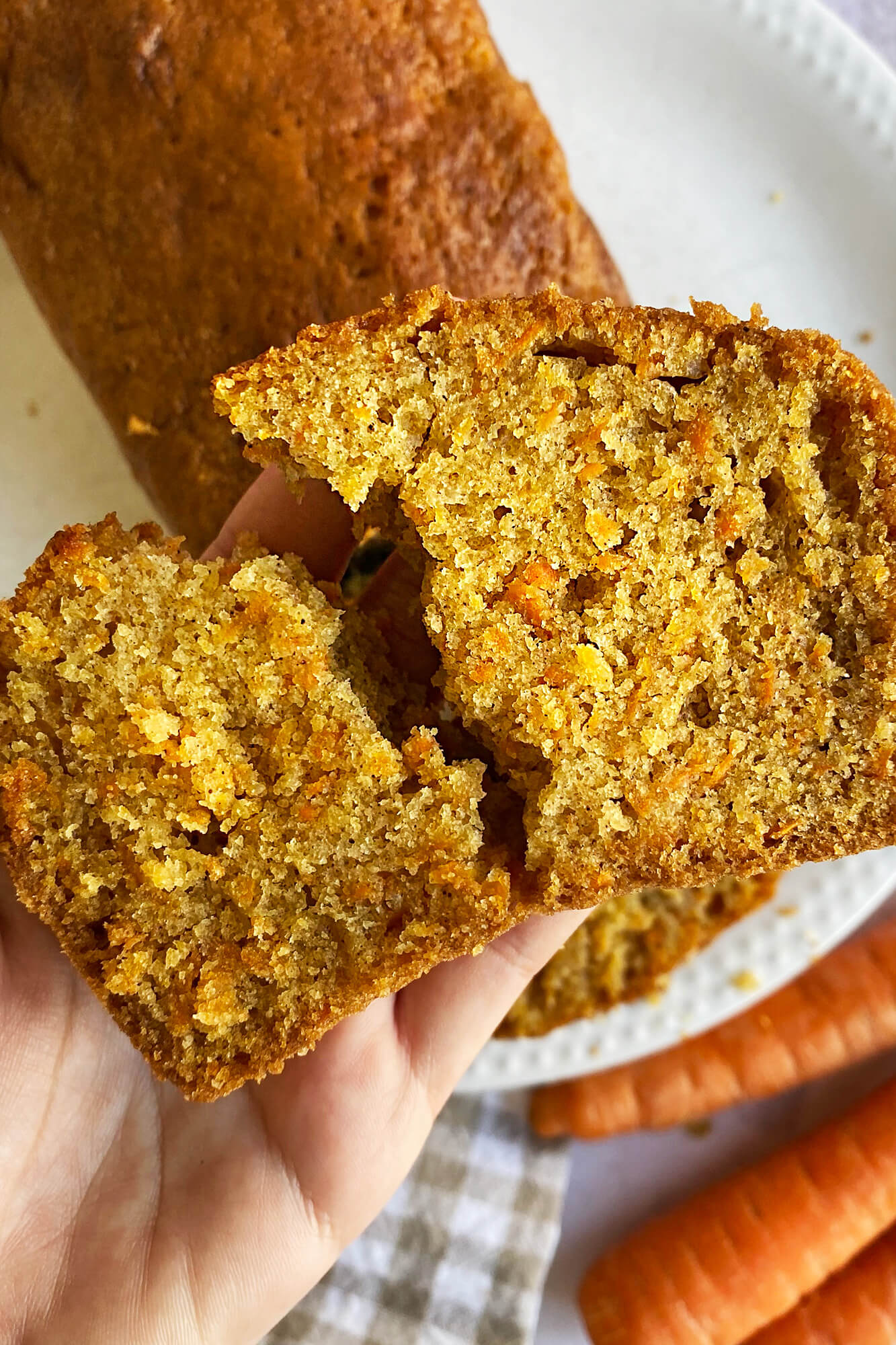
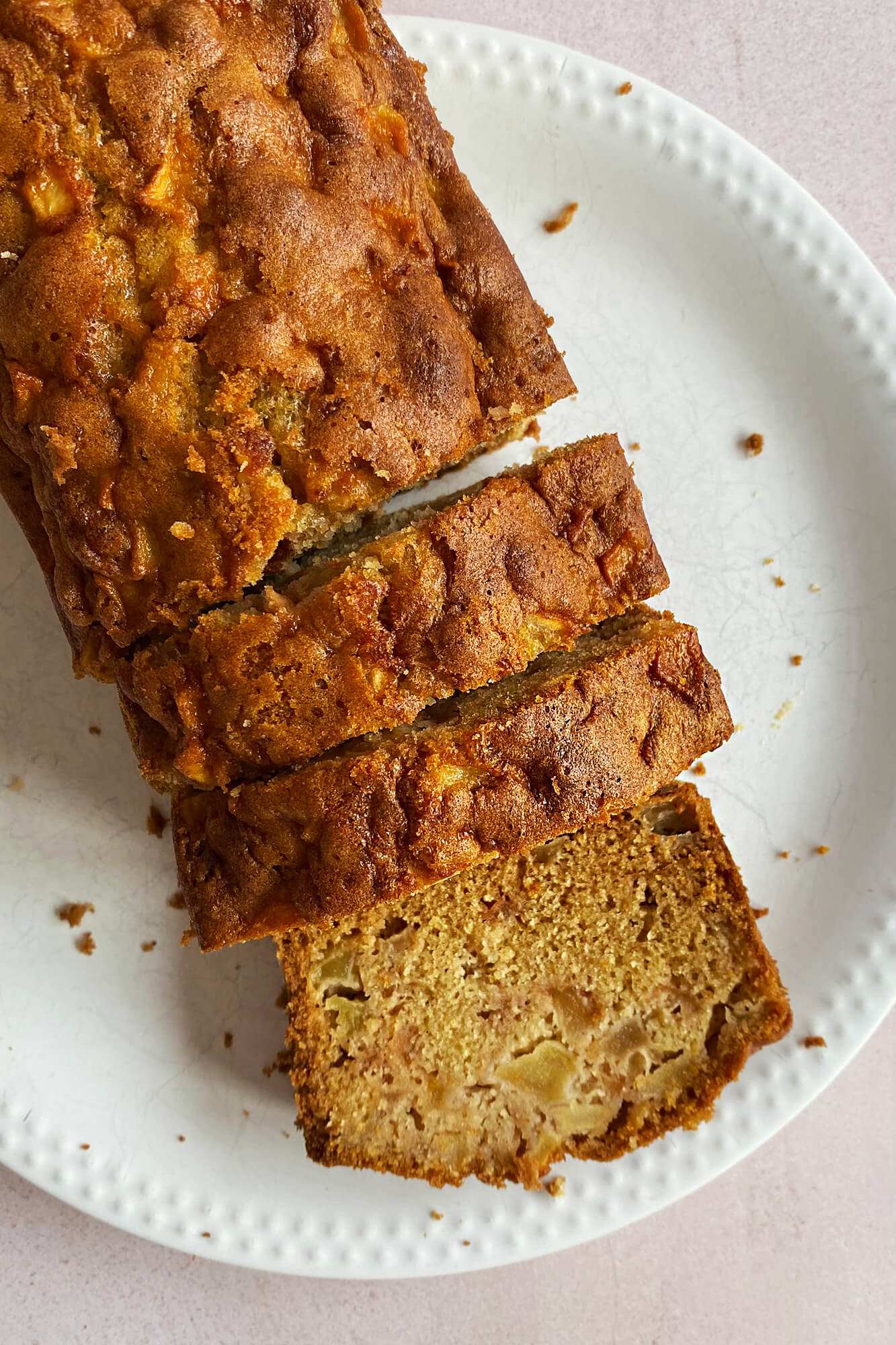
Apple bread (our grandma’s recipe)
We bring you here our apple bread our grandma’s recipe.…
Pound Cake Structure: Creaming Methods and Variations
To ensure consistent results, it is essential to understand the baking science behind the preparation. Most of our recipes rely on the traditional creaming method, where butter and sugar are beaten together until light and fluffy to trap air. This air expansion in the hot oven is what gives a classic pound cake its signature volume and velvety texture, making it perfect for clean slicing.
We also feature contemporary variations that incorporate oil or dairy additions such as sour cream and Greek yogurt. These technical adjustments modify the density of the crumb, speed up the active mixing time, and allow the cake to retain its internal moisture for days. Here, we teach you when to implement each method depending on the flavor profile and texture you want to achieve.
Our Best Secrets for the Perfect Loaf Cake
To prevent your batter from curdling or baking into a heavy, flat loaf, we suggest keeping these three golden rules from our kitchen in mind:
- The Room Temperature Rule: Your butter, eggs, and dairy must be at room temperature before you begin. Introducing cold eggs to creamed butter will cause the fat to seize and separate, breaking the emulsion and reducing the cake’s ultimate rise.
- Avoid Overmixing the Flour: Once the dry ingredients are added to the bowl, mix just until the flour is incorporated. Overmixing at this stage develops excess gluten, turning a tender cake into a tough, bread-like loaf.
- The Perfect Signature Crack: To achieve that clean, professional split down the center of your loaf, let the cake bake for about 15 minutes, then quickly score a shallow line down the center of the batter using a knife dipped in melted butter.
We invite you to explore these recipes, apply these technical pro-tips, and discover how easy it is to master the craft of baking exceptional pound cakes from scratch. Let’s get baking!