
Cold and Spoon Desserts
In the culinary arts, serving temperature and mouthfeel dictate the ultimate quality of a sweet dish. In this section, we showcase our definitive cold and spoon dessert recipes, focusing on the technical accuracy required to master smooth creams, gels, and chilled emulsions. Whether you want to prepare a comforting traditional custard, a clear molded gelatin, or a sophisticated crème brûlée, the objective is to deliver an impeccable, velvety, and pasty consistency best enjoyed with a spoon.
We know that working with dairy, eggs, and setting agents demands precision to avoid unpleasant lumps or rubbery results. However, once you learn to control initial heat applications and the subsequent cooling process, you will find the chemistry behind it is highly predictable. While some of these formulas require brief stovetop cooking or a delicate water-bath bake, their structural integrity and final set are achieved during refrigeration. We provide clear, straightforward guides designed to help you execute these methods with confidence.
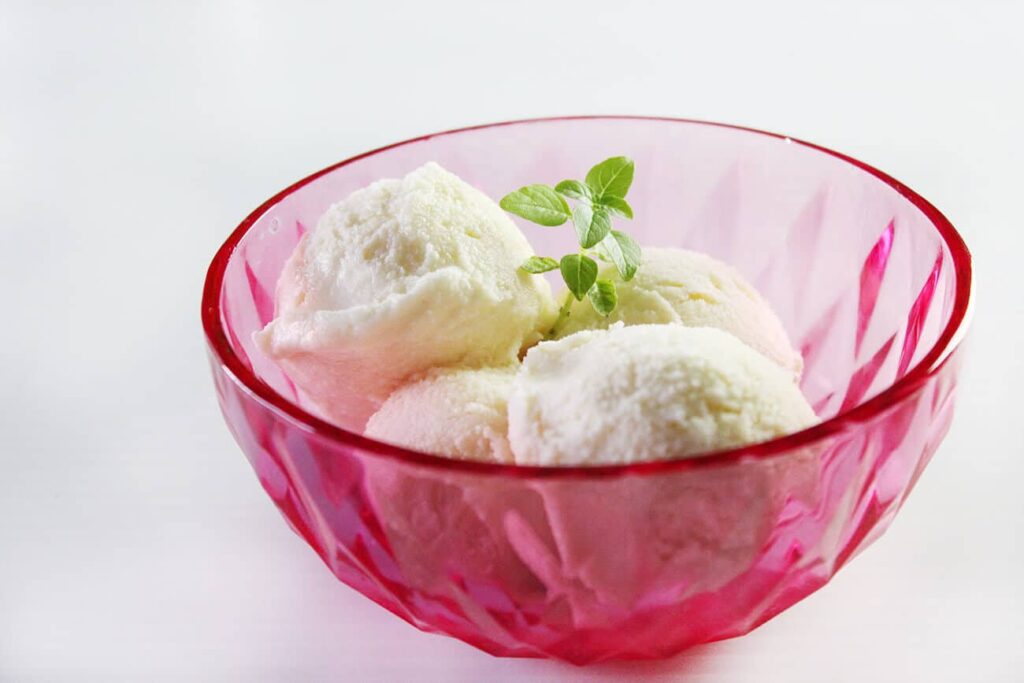
Basil ice cream
Basil ice cream is one of my favorite ice cream flavors. It is a sweet and fresh ice cream at…
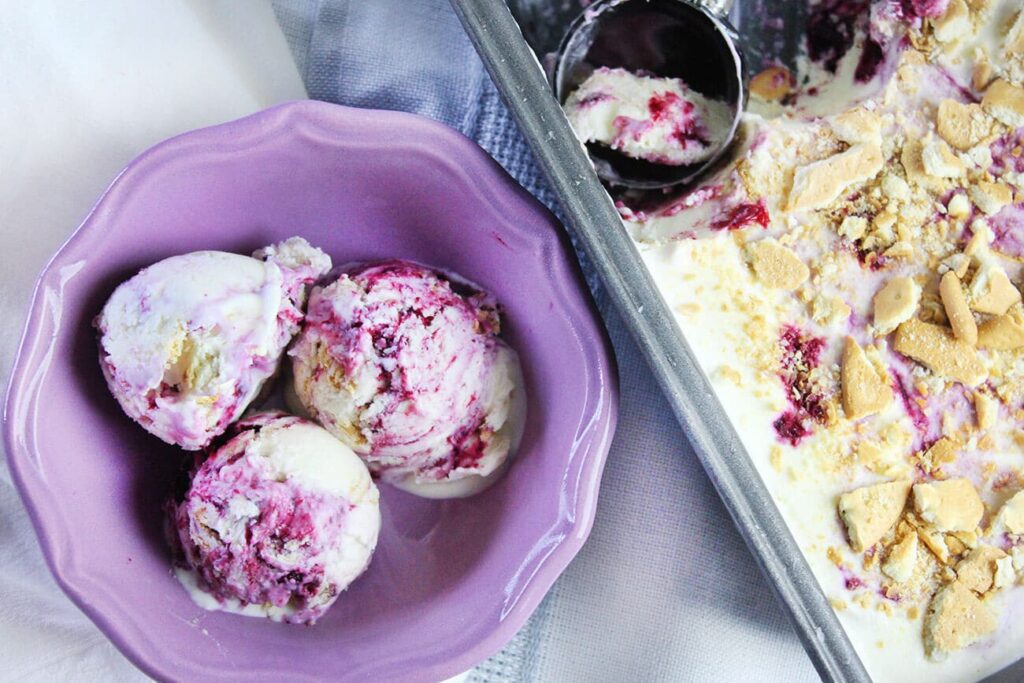
Blueberry cheesecake ice cream
Blueberry cheesecake ice cream is great for summer. We cannot let summer go away without making something memorable and perfect…
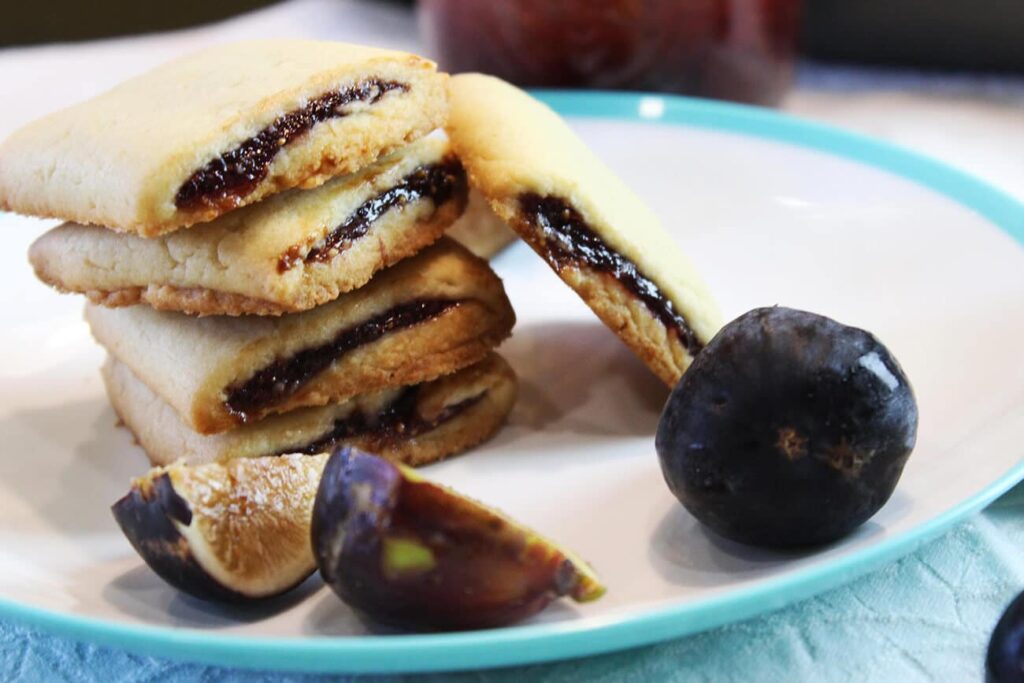
Fig newton bars
Fig newton bars are an american classic. Maybe your wondering why does the tittle include the word “newton”; well it…
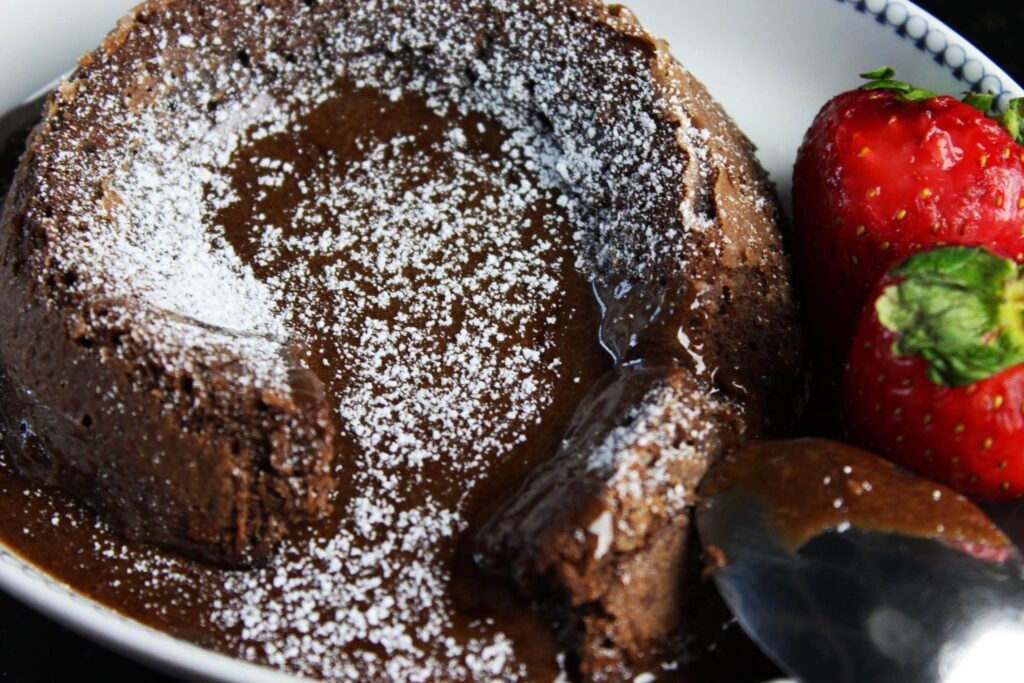
Chocolate lava cake
Chocolate lava cake ir the perfect recipe to use when in trouble, because is super fast and easy to make….
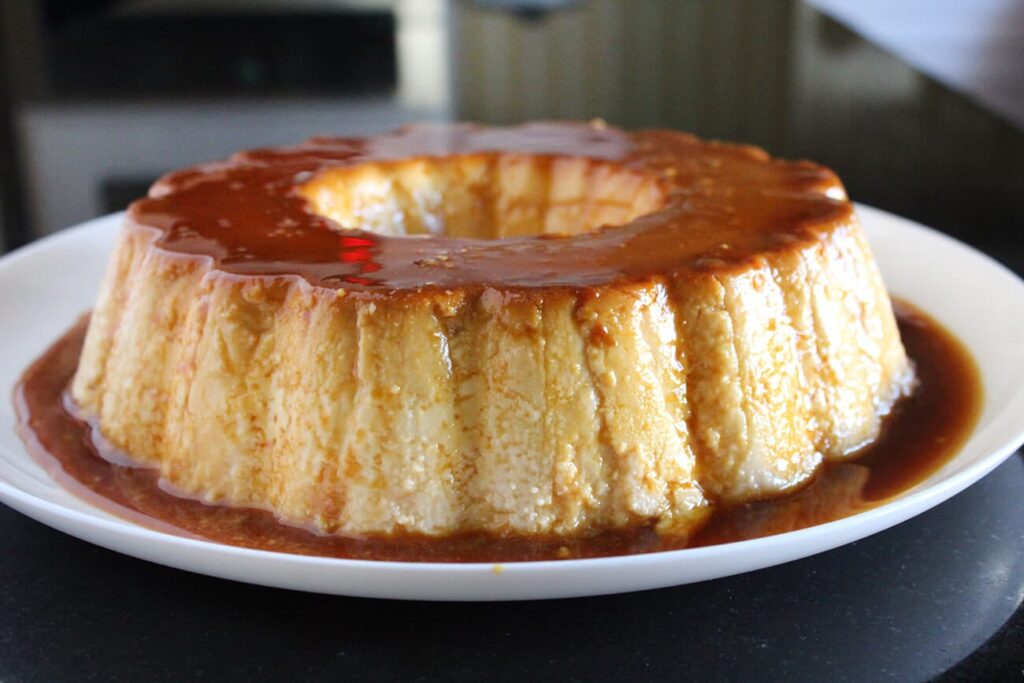
Creme caramel or mexican flan
Flan or creme caramel is one of those traditional desserts. As far as I know, correct me if I`m wrong,…
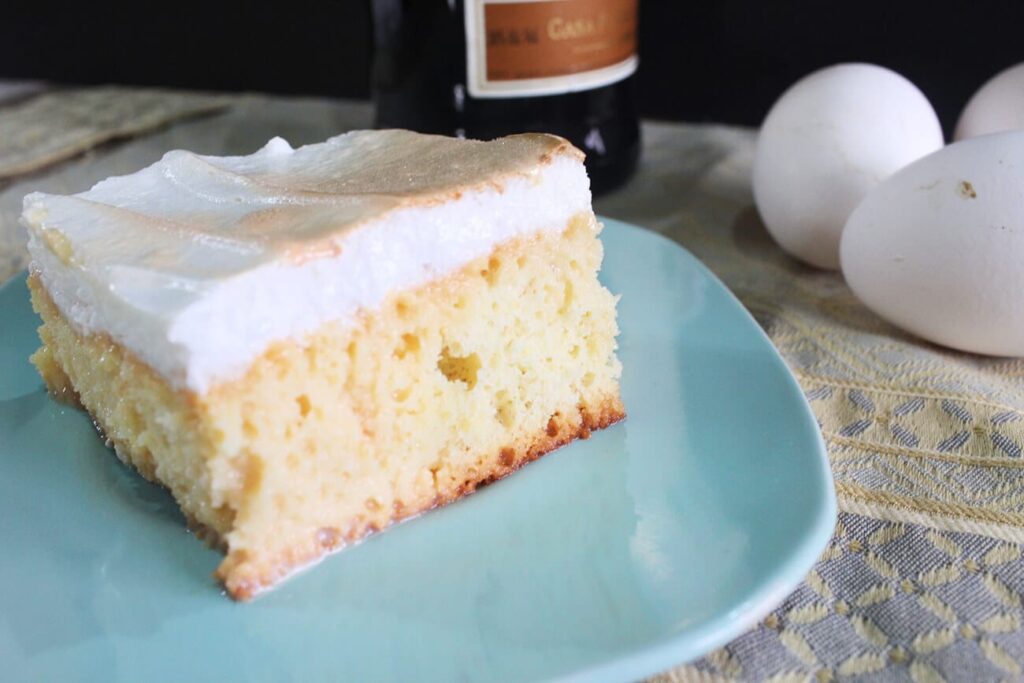
Tres leches cake
Tres leches cake is one of the most tyical cakes in mexico and Latin America, we all know it. It…
Custards and Puddings vs. Gelatins and Mousses: The Science of the Chilled Set
We categorize these elegant spoon desserts by the specific components that dictate their internal structure. On one hand, egg-and-dairy-based options like flans, puddings, and crème brûlée rely on gentle thermal protein coagulation to thicken into a rich, heavy paste. These variations require careful monitoring of heat elements during their initial preparation stages to keep fats and liquids tightly bound.
On the other hand, gelatins, panna cottas, and mousses utilize setting powders or whipped fats to trap liquids and air inside a stable three-dimensional framework. Here, the final density is not created by cooking temperatures but by correct powder hydration and cooling times. Both styles share the absolute rule of requiring an extended period in the fridge to allow internal bonds to solidify correctly before serving.
Our Pro-Tips for Perfect Silky Finishes
To ensure a perfectly homogeneous finish and avoid separation, we suggest keeping these three golden rules from our kitchen in mind:
- Straining is Mandatory: When making custards, pastry creams, or flan bases, always pass your warm liquid mixture through a fine-mesh sieve before chilling or baking. This technical step catches any stray bits of coagulated egg white, ensuring an exceptionally smooth spoon dessert.
- Regulate your Water Bath: If a recipe requires an oven bake to set, such as crème brûlée, ensure the water in your bain-marie pan never reaches a rolling boil. Excessive boiling pushes the custard’s internal temperature past 85°C, causing the eggs to curdle and creating spongy, pocketed textures.
- Gradual Thermal Stabilization: Never attempt to rush the setting process by placing hot dishes directly into the freezer. Radical temperature drops can split the delicate fat emulsions and form unwanted ice crystals on the surface. Always let the dessert cool down before refrigeration.
We invite you to explore these recipes, master the mechanics of thickening and chilling, and enjoy the technical satisfaction of crafting exceptional chilled desserts from scratch. Let’s get baking!