
Cookies
In the world of quick baking, cookies provide the perfect landscape to observe pastry chemistry in action. In this section, we share our ultimate homemade cookie recipes from scratch, focused on teaching you how to manage the key variables that dictate their structure. We have tested and refined these formulas to ensure you get consistent results, whether you prefer a thin, crispy snap or a thick, fudgy center.
Baking cookies at home does not require advanced equipment, but it does demand attention to thermal details. If you are developing your baking skills, you will find that slight adjustments to fat handling or sugar choices completely alter the final product. We offer clear, practical guides focused on technique, ensuring that each step is straightforward and easy to execute.
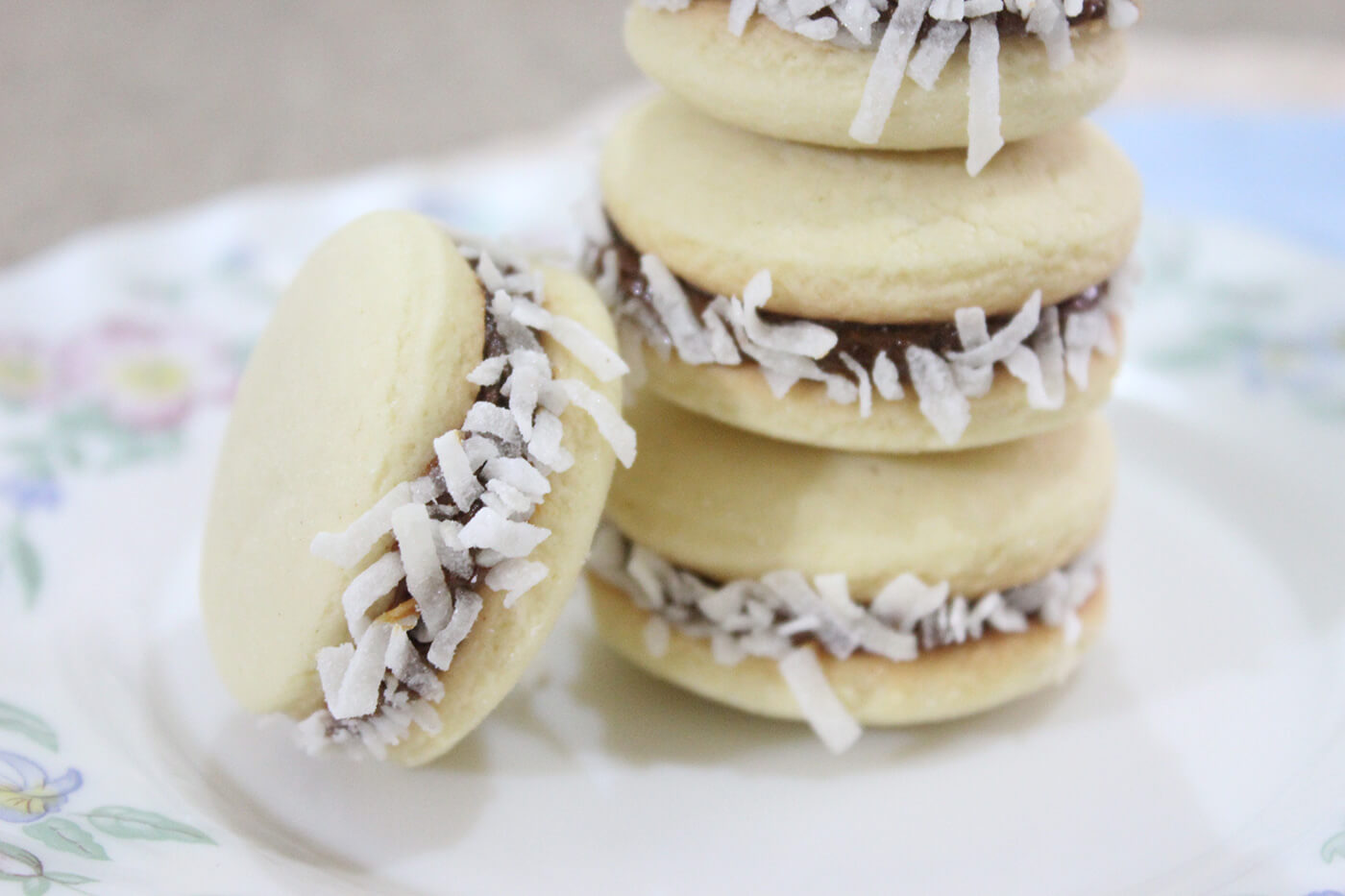
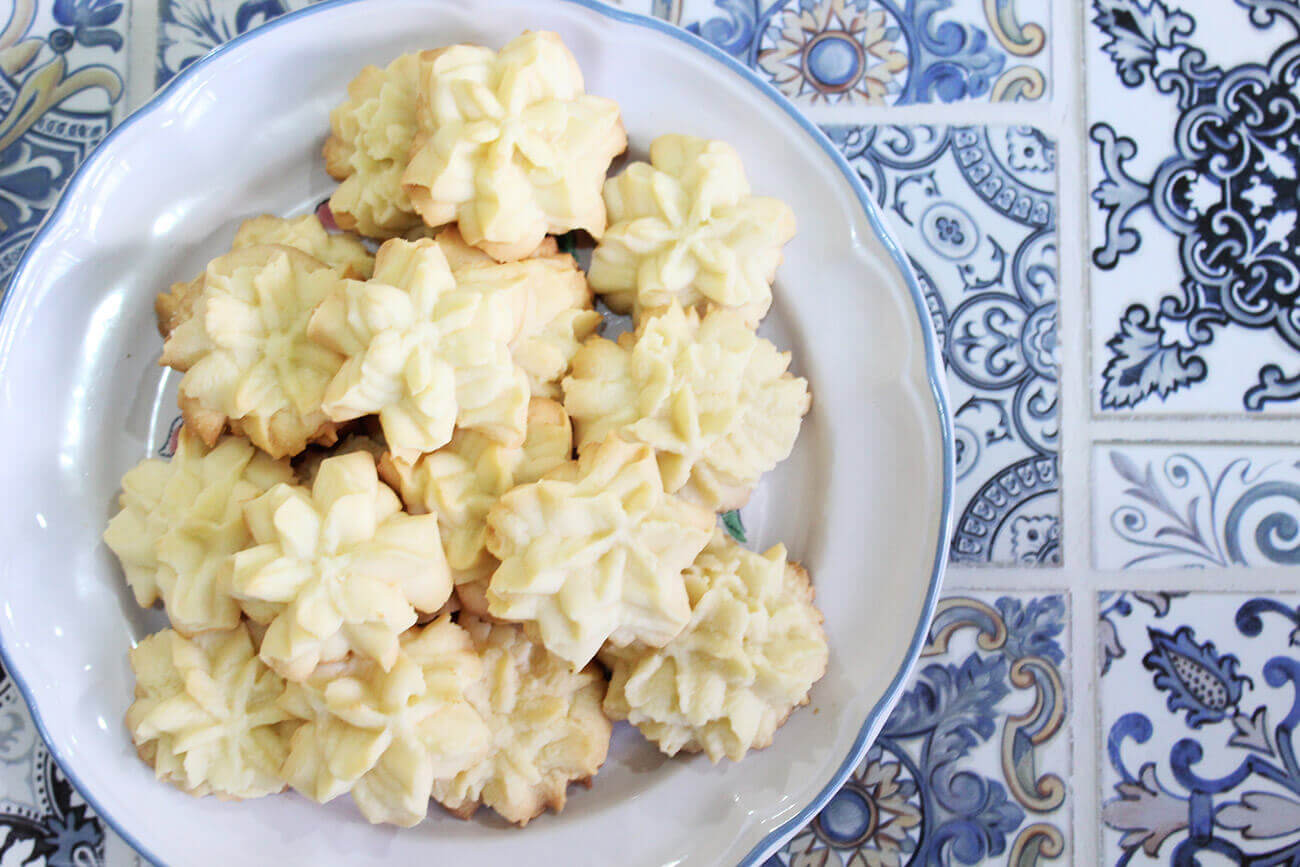
Chewy vs. Crispy: The Mechanics of the Dough
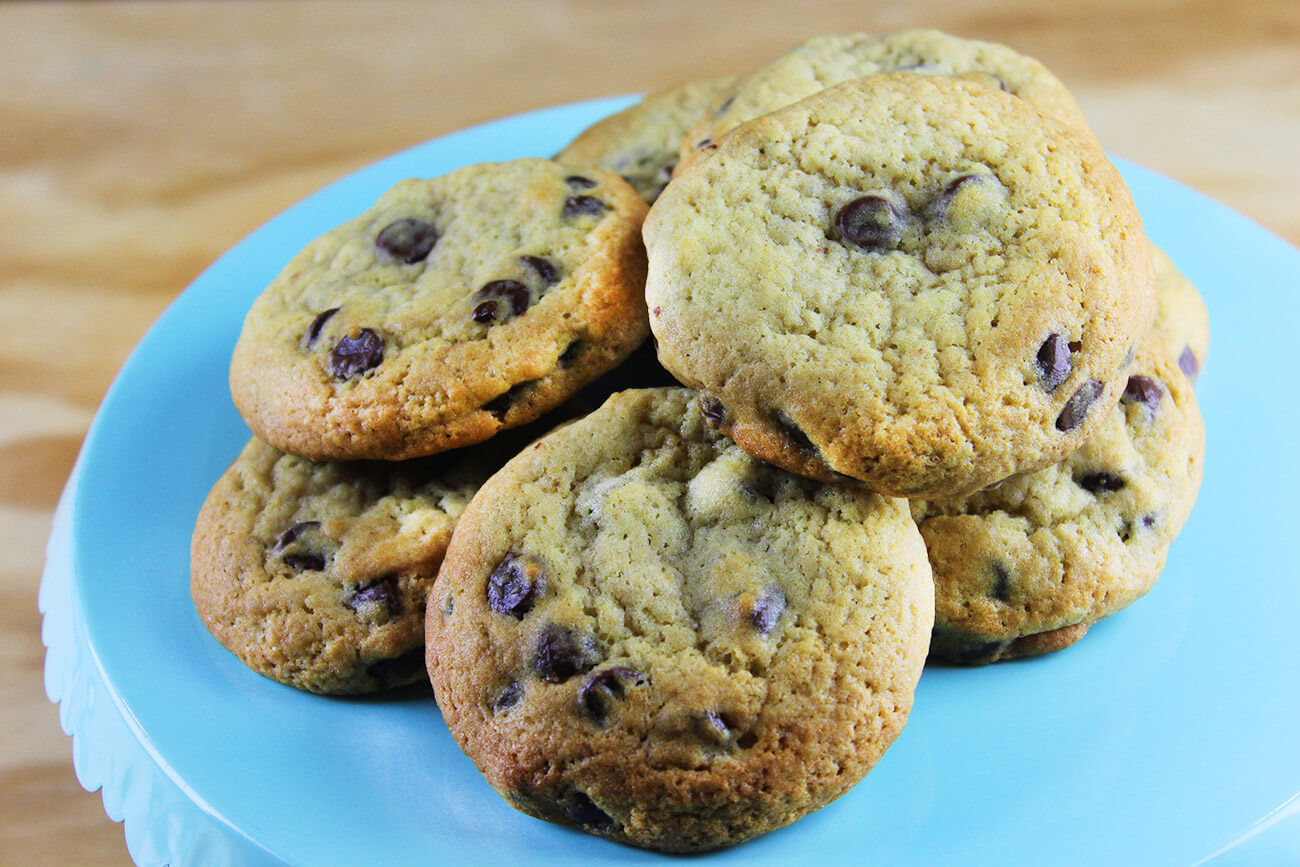
To achieve your preferred texture, it is essential to understand how ingredients interact in the oven. In our recipes, we break down the specific function of each component. For instance, using brown sugar adds moisture and acidity to the dough, which naturally creates a chewier, denser cookie. On the other hand, granulated white sugar promotes moisture evaporation during baking, which yields more spread and crispy edges.
The temperature and state of your butter also play a major technical role. Using cold, cubed butter yields subtle pockets of fat, whereas melted or softened butter alters how the flour absorbs liquids, directly impacting the final thickness and spread of the dough on your baking sheet. We teach you when to implement each method depending on the final style you want to achieve.
Our Best Secrets for Bakery-Style Cookies
To prevent your dough from melting into a flat sheet or baking into dry discs, we suggest keeping these three golden rules from our kitchen in mind:
- Chilling the Dough is Mandatory: Never place a tray of warm dough into a hot oven. Letting the dough rest in the fridge for at least 30 minutes solidifies the fats, preventing the cookies from spreading too flat and losing their structure.
- Precise Flour Measurement: Avoid scooping flour directly from the bag with a measuring cup, as this packs it down and adds too much dry weight. We recommend using a digital scale for exact grams, ensuring your cookies remain tender.
- Watch the Bake Time: Cookies continue to bake on the hot sheet after being pulled from the oven. Remove them when the edges are just set and golden, even if the centers still look slightly soft. They will firm up to a perfect consistency as they cool on a wire rack.
We invite you to explore these recipes, apply these technical pro-tips, and discover how easy it is to master cookie baking in your own kitchen. Let’s get baking!