
Pies & Tarts
In our home, there is no sound more rewarding than the crunch of a golden, flaky crust. That moment when a fork slides through a buttery pastry into a warm, juicy filling is pure culinary satisfaction. Making homemade pie and tart recipes is a technical ritual; it requires cold hands and attention to detail. In this section, we share our favorite recipes and the methods we’ve refined for achieving professional-looking crusts that carry the unmistakable quality of a “from scratch” kitchen.
We know that pastry dough can be intimidating and many fear the dough will break, shrink, or end up tough. However, once you master a few simple tricks, you will see that it is actually quite straightforward. We’ve spent years revisiting these recipes and simplifying the techniques to ensure that even beginners can create a spectacular pie. Homemade versions always taste and feel better than store-bought crusts.
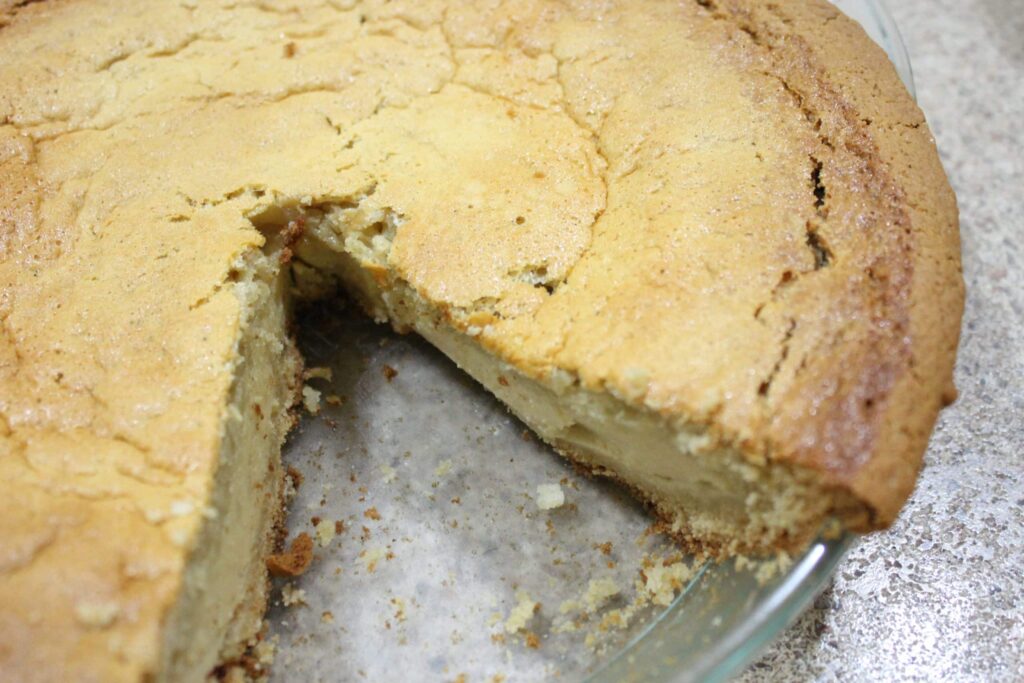
Classic cheesecake
Classic cheesecake with cheese, cheese, cheese. Today we have this classic cheesecake recipe, and all time favorite of ours, that´s…
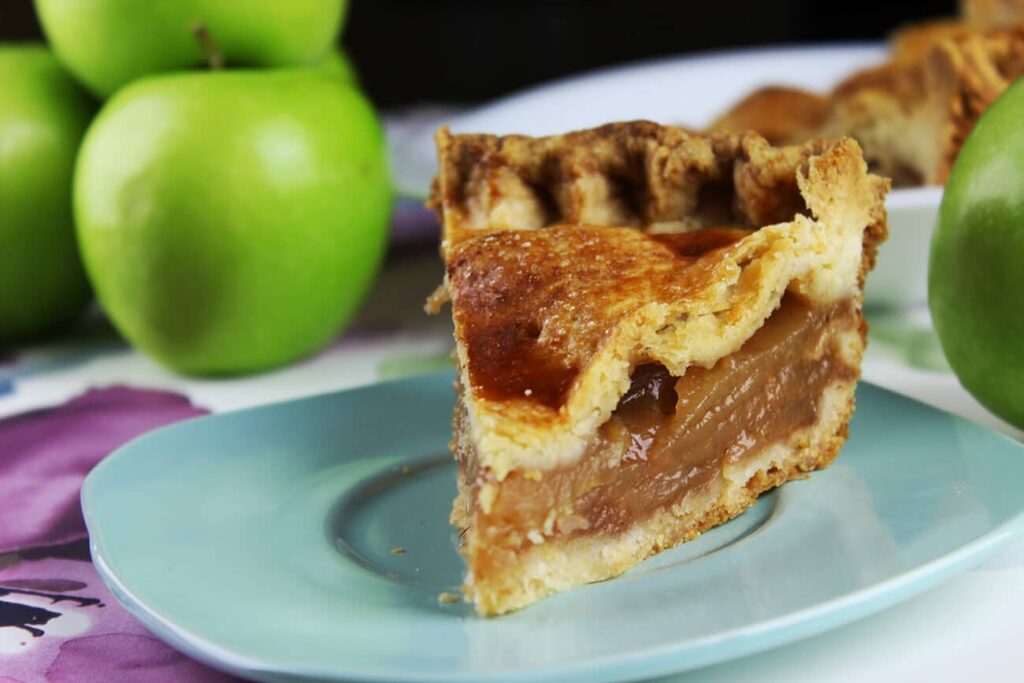
Apple pie
This apple pie is just the best one. Behold, because this is one of my mom´s most precious recipes. Ever…
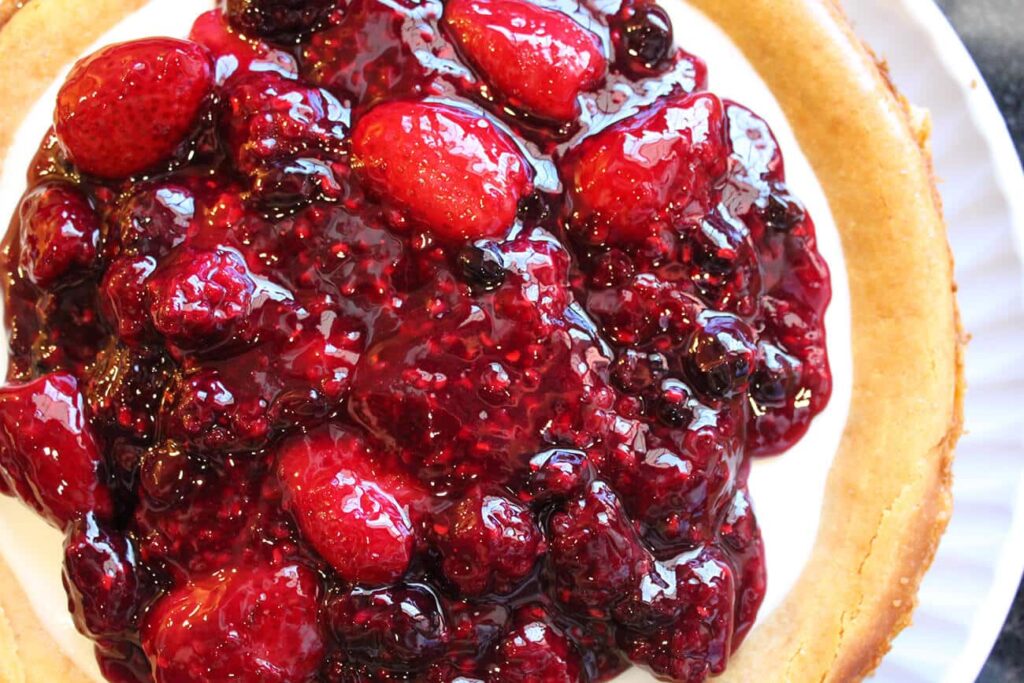
The best cheesecake
The best cheesecake, cheesecake, cheesecake!!!!! I cannot tell you how many times my sister and I tried to come up…
Pies vs. Tarts: Understanding the Technical Duo
While these terms are often used interchangeably, they each have their own flair in the baking world. Pies are typically rustic and deep-dish, often featuring a top crust or a lattice. They are the ultimate comfort food, served straight from the dish—such as a classic apple or pumpkin pie.
Tarts, on the other hand, are shallow and elegant. They are usually baked in pans with fluted edges and a removable bottom, designed to be unmolded to showcase fruit arrangements, pastry creams, or chocolate ganaches. Both serve different purposes and moods at the table, and we provide the steps to master both styles.
Our Best Secrets for a Flaky, Melt-in-Your-Mouth Crust
To ensure your crusts are always tender and flaky, follow these three golden rules from our kitchen:
- Keep it Cold: This is a non-negotiable secret. The butter and water must be ice-cold. These tiny bits of cold fat create pockets of steam in the hot oven, which gives the pastry those coveted flaky layers.
- Minimal Handling: Unlike bread, you do not want to develop gluten here. Mix only until the dough comes together. Overworking the dough will result in a tough, chewy crust instead of a light, crisp one.
- The Power of the Chill: Do not skip the resting time in the fridge. Chilling the dough before rolling it out—and again once it is in the pan—prevents it from shrinking in the oven and helps it hold its shape.
There is nothing quite like a warm slice of pie right out of the oven or a fresh fruit tart with afternoon coffee. We invite you to try these recipes, trust the process, and enjoy creating something beautiful from scratch. Happy baking!